Vol. 6 No. 2 (2026): Volume 6, Number 2

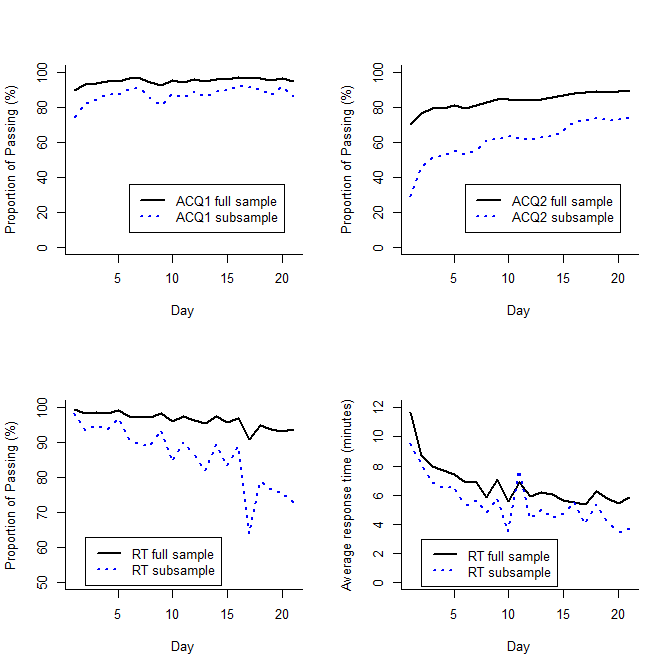
Wang, L., Yip, T., Fang, Y., Li, R., Lorenzo, K., Park, I. J. K., Valentino, K., Cruz-Gonzalez, M., Zhen-Duan, J., Alvarez, K., & Alegría, M. (2026). Careless Responding in Daily Diary Research: Detection and Impact on Intensive Longitudinal Data Analyses. Journal of Behavioral Data Science, 6(2), 1-24. https://doi.org/10.35566/jbds/wang2026
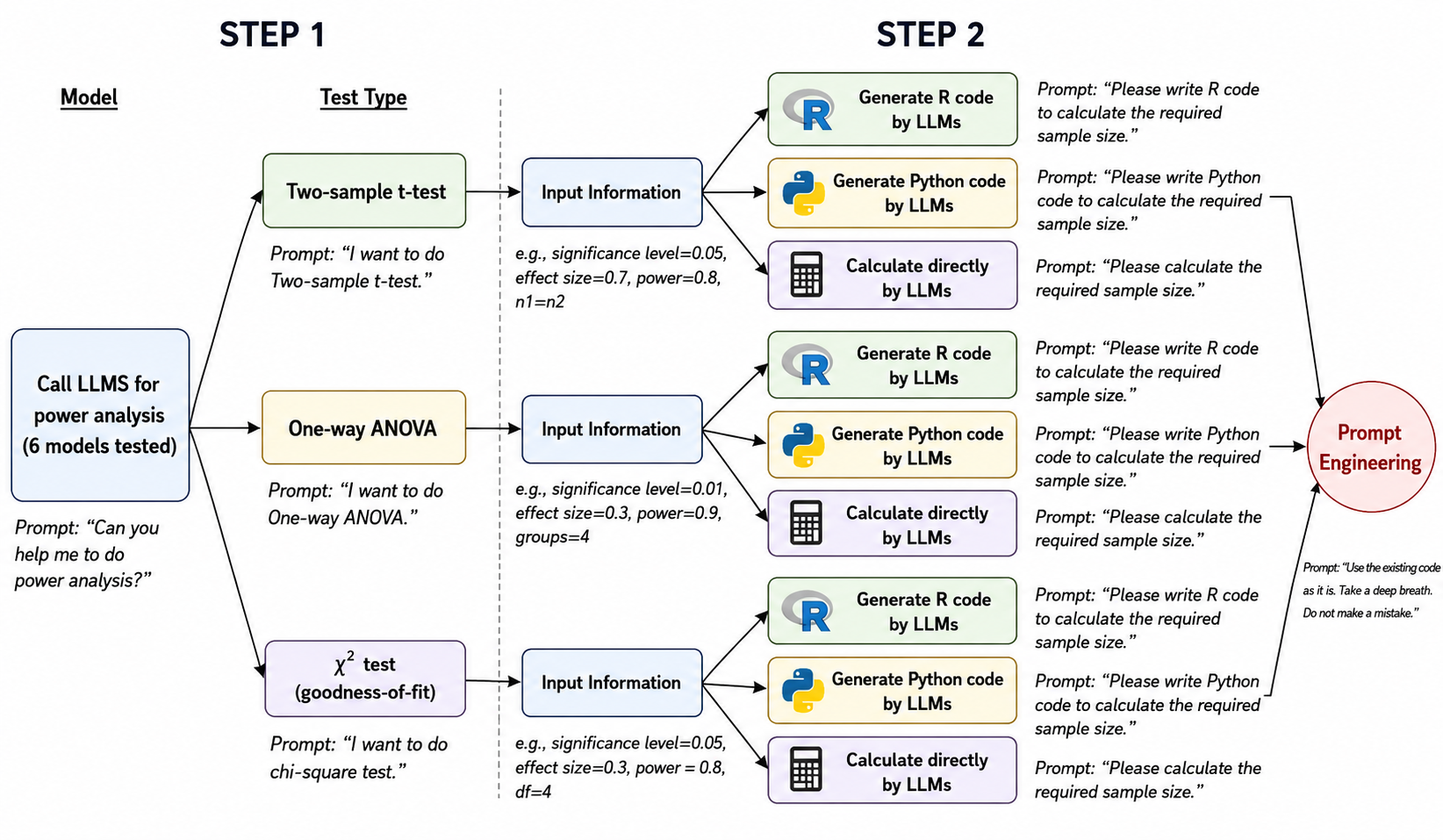
Kim, H., Qi, J., Feng, Z., Zhang, X., Han, Y., He, J., & Ji, F. (2026). Can Large Language Models (LLMs) be Trusted for Power Analysis? An Empirical Evaluation. Journal of Behavioral Data Science, 6(2), 173-184. https://doi.org/10.35566/jbds/jikim
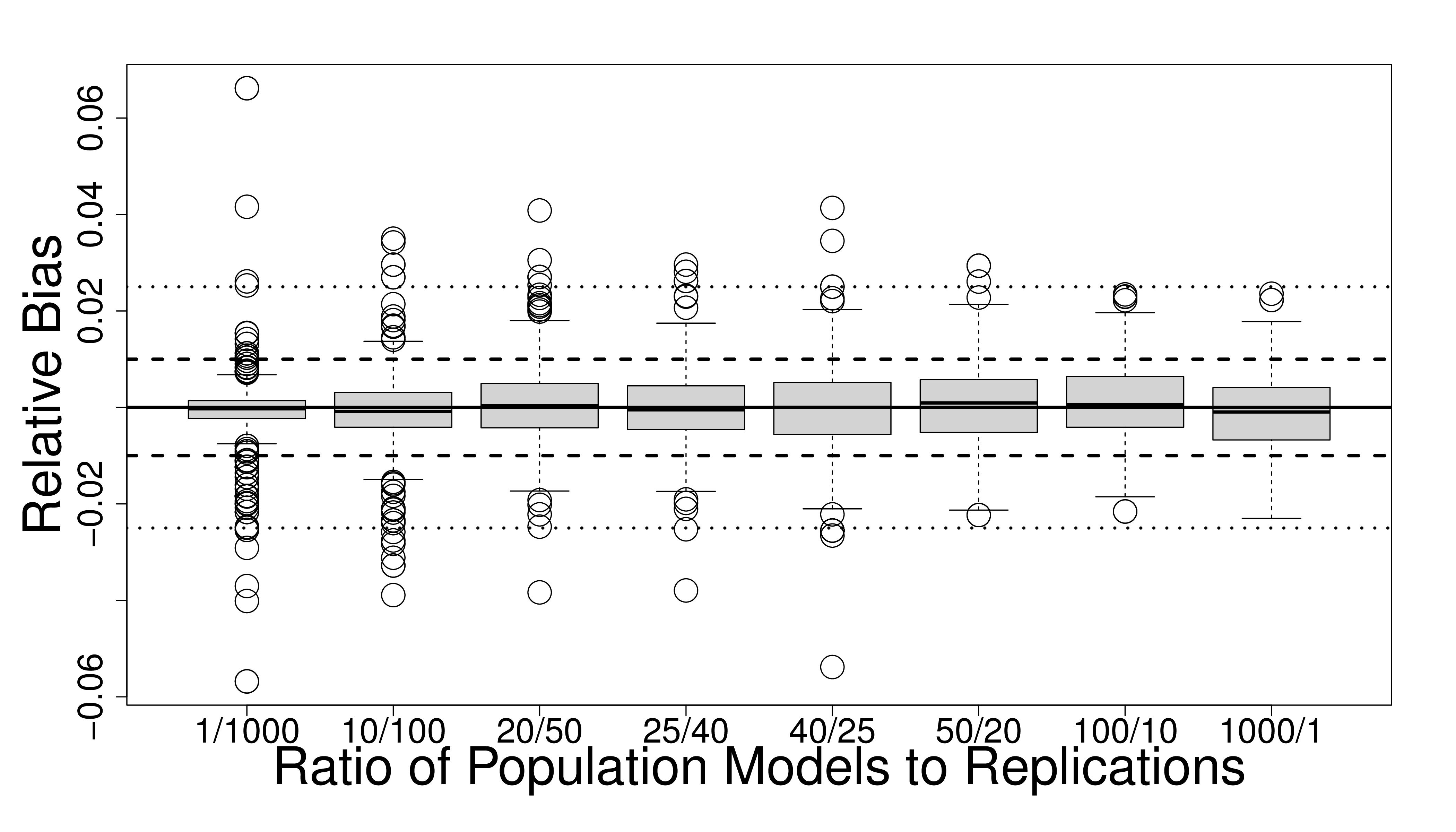
Gomer, B., Lee, H. B., & Kim, Y. M. (2026). Mosaic Monte Carlo: A New Method of Simulation Design to Improve the Generalizability of Findings. Journal of Behavioral Data Science, 6(2), 67-133. https://doi.org/10.35566/jbds/gomer2026
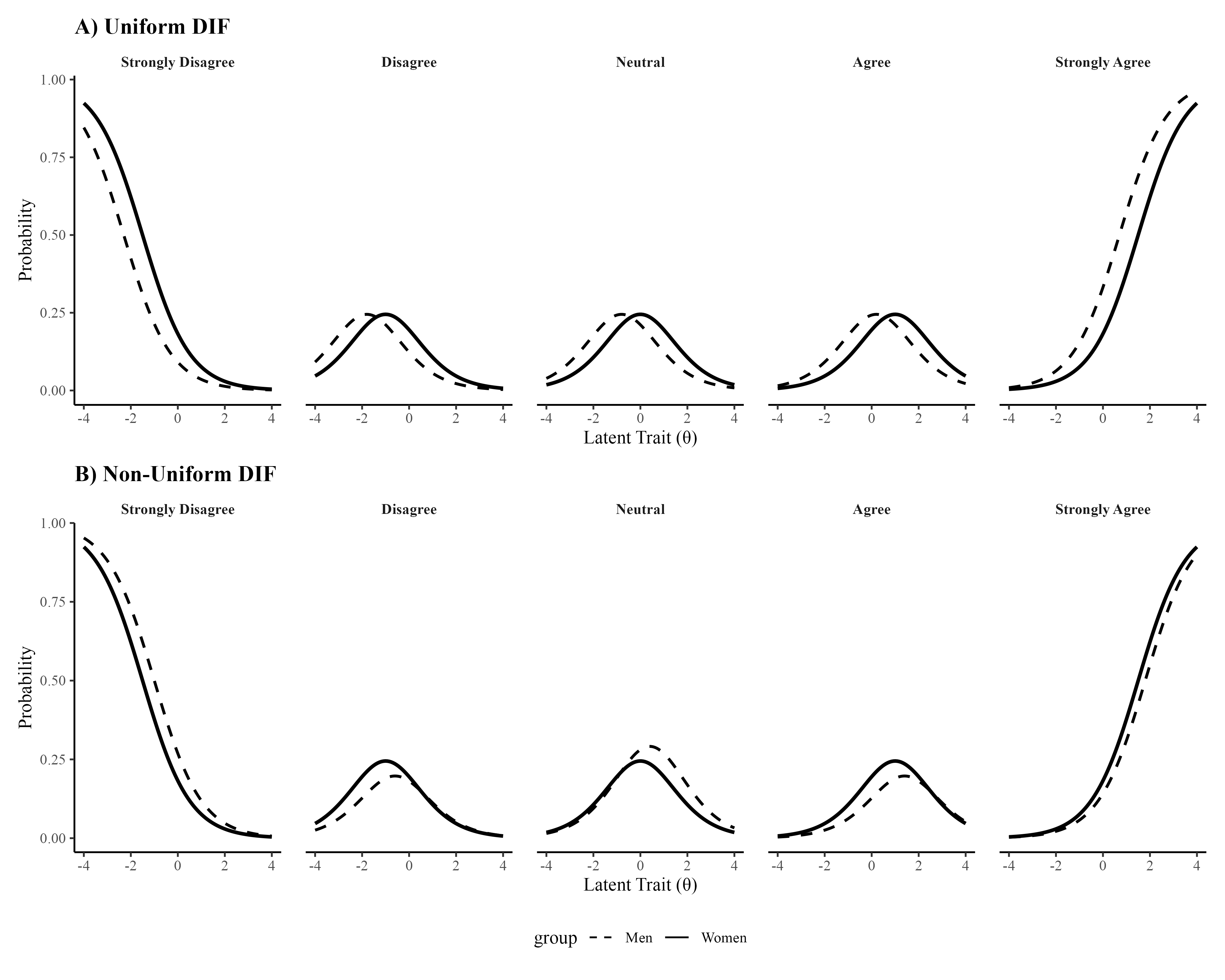
Bain, C., Manapat, P. D., Manapat, D., Brenna, K., & Grimm, K. (2026). When DIF Goes Unmodeled: Assessing the Viability of Random Forest for Diagnostic Classification. Journal of Behavioral Data Science, 6(2), 134-172. https://doi.org/10.35566/jbds/bainmmbg
Jeon, B., & Kim, Y. (2026). Difference-in-Differences and Treatment x Pretest Interactions: A Critique of Dual-Centered ANCOVA. Journal of Behavioral Data Science, 6(2), 1-12. https://doi.org/10.35566/jbds0208
Minukuri, A. R. (2026). Adaptive Real-Time Churn Prediction in Telecommunications Using Sequential Learning Models: A Dynamic Approach. Journal of Behavioral Data Science, 6(2), 185-205. https://doi.org/10.35566/jbds/minukuri2026
Published:
2026-09-25